


Are Cellular Blinds for Insulation Worth It?

A cold window can make an otherwise warm room feel uncomfortable long after the heater has been turned up. That is where cellular blinds for insulation can make a noticeable difference. Their honeycomb-shaped pockets trap a layer of still air between the glass and the room, helping to reduce heat transfer without adding bulk to the window.
For homeowners comparing window coverings, cellular blinds are often one of the strongest choices where warmth, comfort and a clean finish matter equally. They are not a substitute for sound glazing, draught sealing or ceiling insulation, but they can improve the performance of a window that is already letting a room down.
How cellular blinds help insulate a room
A cellular blind is made from fabric folded into a series of connected air cells. From the side, the structure resembles a honeycomb. When the blind is down, those cells hold still air, and still air slows the movement of heat.
In winter, this helps reduce the rate at which warmth from inside the home escapes towards cold glass. In summer, it can also slow the amount of outdoor heat coming through the window. The result is not necessarily a dramatic temperature change the moment the blind is installed, but a room that feels less exposed to the window and is easier to keep comfortable over time.
This is particularly useful in bedrooms, living areas and home offices with large glazed sections, older single glazing, or windows that face prevailing weather. Anyone who has sat beside a window on a frosty morning will recognise the effect: the room may be heated, yet the area close to the glass still feels chilly.
The blind needs to fit well
The air-cell fabric does valuable work, but fit matters just as much. Heat can still move around the sides, top and bottom of a blind. A made-to-measure cellular blind that sits neatly within the recess or close to the architrave will generally perform better than a loose, undersized option.
The ideal configuration depends on the window. A recess fit can look very tidy where the reveal is square and deep enough. A face fit may be the better option where the recess is shallow, uneven or obstructed by handles, latches or security hardware. The important point is to allow enough coverage to minimise gaps while keeping the blind practical to operate.
At Light & Shade Solutions, this is why measuring is more than taking a width and drop. The window frame, opening direction, sill depth, handles and everyday use all affect which fitting approach will give the best result.
What insulation can you realistically expect?
Cellular blinds can reduce heat loss through a window, but no blind can turn a poorly performing window into high-performance glazing. It is best to think of them as an additional thermal layer - one that is particularly worthwhile because it also delivers privacy, light control and a finished interior look.
Their effectiveness varies with the type of glass, the amount of window area, the blind fabric and the fit. A large single-glazed window in a cold bedroom is likely to show a more noticeable improvement than a small, well-shaded double-glazed bathroom window. Likewise, a blind closed early in the evening will do more for overnight warmth than one left open until the room has already cooled down.
Cellular blind fabrics are available in different levels of opacity. Light-filtering fabrics soften daylight and provide daytime privacy, while blockout options are popular in bedrooms because they reduce light as well as adding thermal assistance. Neither choice is automatically better for insulation in every setting. The best option comes down to how the room is used and whether natural light or darkness is the priority.
Where cellular blinds work especially well
Cellular blinds suit many modern and traditional homes because the appearance is simple and the fabric stack is relatively compact when raised. They are especially useful where a curtain may feel too heavy or where there is limited space around the window.
Bedrooms
Bedrooms are a natural fit for blockout cellular blinds. They can help reduce early-morning light, provide privacy at night and make the room feel less cold beside the window. For shift workers, children’s rooms and street-facing bedrooms, that combination is often more valuable than insulation alone.
Living rooms and open-plan spaces
Large windows bring welcome daylight, but they can also be responsible for heat loss in winter and unwanted warmth in summer. Cellular blinds offer a softer alternative to shutters or roller blinds when you want filtered light during the day and a stronger thermal barrier once they are lowered.
For very wide openings, the operating system and panel layout need careful planning. A blind that is difficult to raise or has an awkward split will soon become one that stays in the wrong position. This is one area where seeing samples and discussing the room in person can prevent an expensive compromise.
Home offices
A home office needs controllable daylight. Glare on a screen can be frustrating, while a cold window can make a desk area unpleasant in winter. Light-filtering cellular blinds can diffuse harsh sun without making the room feel closed in. If the office doubles as a guest room, a blockout fabric may be the more flexible choice.
Factors to consider before choosing cellular blinds
Insulation is a good reason to look at cellular blinds, but it should not be the only decision point. Think about the room from morning through to evening. Which direction does the window face? Is privacy needed during the day? Does the blind need to clear a window handle? Will children be using the room?
Moisture is another consideration. In dry living spaces and bedrooms, cellular fabrics are a very practical choice. In areas with frequent condensation, such as some bathrooms, laundries or poorly ventilated rooms, the material and cleaning requirements should be considered carefully. Better ventilation and managing indoor moisture remain important, whatever blind is installed.
Cleaning is straightforward but should be gentle. Regular light dusting or vacuuming with a soft brush attachment helps keep the cells looking fresh. Avoid soaking the fabric or using harsh cleaners, as moisture can mark the material and may affect its shape.
Cordless and motorised operating options can also influence the final choice. Cordless operation creates a clean look and avoids loose cords, while motorisation can be useful for hard-to-reach windows, large groups of blinds or everyday convenience. These options do not change the basic insulating principle, but they can make it far more likely that the blinds are used consistently.
Cellular blinds versus other window coverings
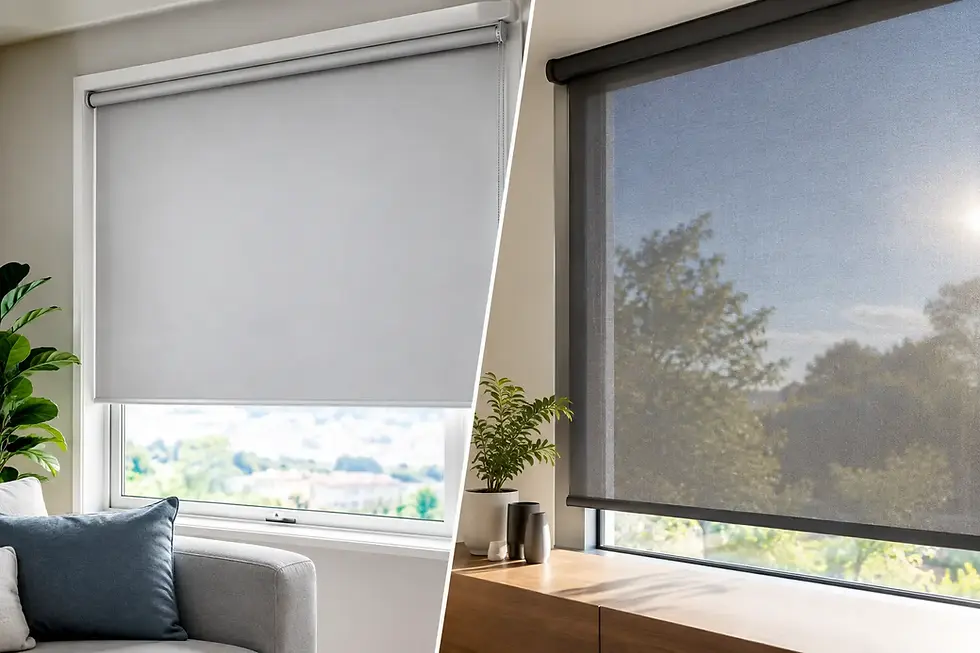
Roller blinds are a popular, streamlined option and can provide good light control, especially in blockout fabrics. However, their flatter construction does not have the same built-in air pockets as a cellular blind. If thermal performance is the leading concern, cellular blinds usually have the advantage.
Curtains can also provide a strong thermal layer, particularly when they are lined, full-length and fitted close to the wall. They may suit formal rooms or interiors where softness and texture are central to the design. The trade-off is that curtains can take up more space, may cover window furniture and are not always the easiest option for compact rooms.
Interior shutters are durable, architectural and excellent for adjustable privacy and light. Their thermal performance depends on the shutter material, panel fit and how the louvres are positioned. They are a worthwhile comparison if you want a more permanent design feature, while cellular blinds are often the more discreet choice for insulating a window without adding visual weight.
Getting the most from your blinds
To make cellular blinds work harder through winter, lower them before the evening temperature drops and keep them closed overnight. Open them during sunny daylight hours when useful warmth can enter the room, then close them again as the sun moves off the glass. In summer, close blinds on sun-exposed windows before the room heats up rather than waiting until it is already uncomfortable.
The best result comes from treating window coverings as part of the whole home. Seal obvious draughts, use ventilation wisely, and choose a blind that fits the window and the way you live. A properly measured cellular blind will not only look right on day one - it can help make that favourite room more comfortable every day of the year.


Comments